In this Issue
What can we learn when students help shape school improvement? How can we make our time working together more productive?
This month, discover practical ways to strengthen teaching, learning, and leadership. Learn how schools are partnering with students through PLANS, explore tools from our new Transformational Protocols book, and hear what educators took away from Fall Meeting.
Ready to put new ideas into practice? Explore our upcoming courses, free learning opportunities, and programs for school and district teams.
Learning in Action
- Spotlight: Partner with Students for School Improvement
- Sharing What Works: Why We Reimagined Protocols for the New Book
- Community Insight Lab: Starting with Curiosity, Not Solutions
- Fall Meeting: Learning, Listening, and Leading TogetherService Highlight: Turn School Challenges Into Practical Improvements
Reminders
- Get Our Newest Book
- Join PLANS in CT, MA and RI
- Get Certified Through Principal Residency Network
- Last Chance to Join the Next Introduction to Adult Facilitation Course
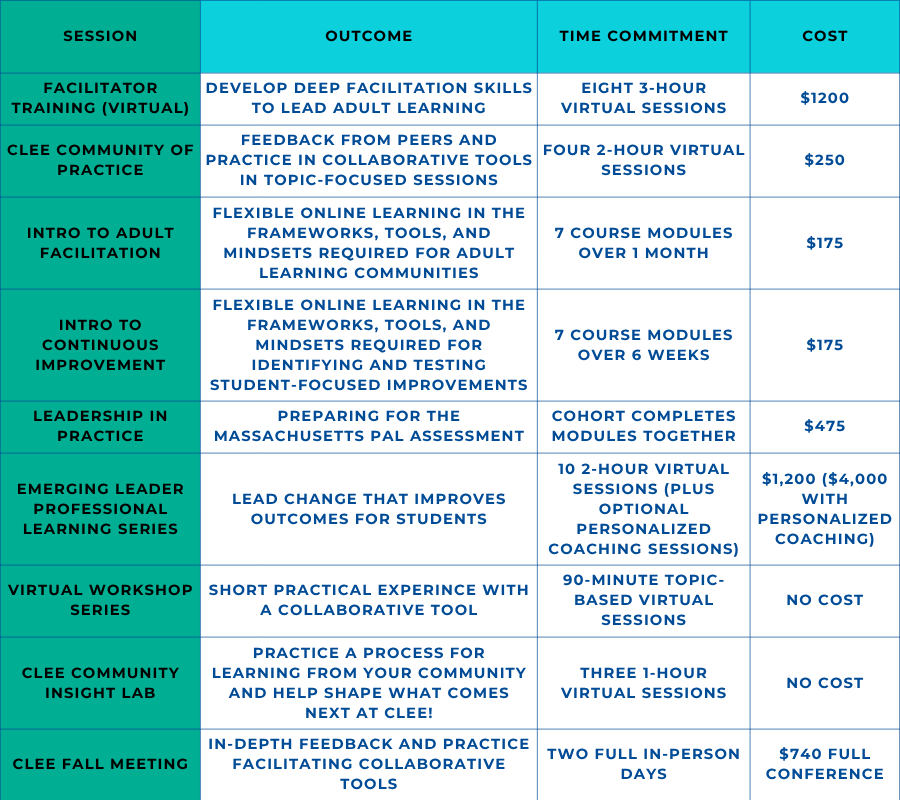
- CLEE Programs for Leadership Growth

Each month, CLEE offers a question to help you reflect on your growth.
How might listening more deeply to students and colleagues change the questions we ask, the innovations we try and the impact we create together?

Partner with Students for School Improvement

What changes when students help shape decisions that affect their learning?
Students know what helps them learn and what gets in their way. But how often do they help shape the decisions made about their education?
When students help identify challenges, examine their learning, and propose solutions, educators gain insights they might otherwise miss. Here are four ways to make students genuine partners in school improvement.
From Listening to Action
- Learn from student experiences. Create opportunities for students to share what supports their learning, where they encounter barriers and what they want educators to understand about their school experiences.
- Examine student work together. Use student work and evidence of learning to explore what students understand, where they need support and what educators might change in their practice.
- Include students in problem-solving. Invite students to help identify challenges, consider possible solutions and contribute perspectives that adults might otherwise overlook.
- Close the loop. Show students how their input informs decisions. Share what educators are trying, explain what they are learning and invite students to reflect on whether the changes are making a difference.
These practices help educators move from collecting student feedback to building genuine partnerships in improvement. They also connect student perspectives to the ongoing work of examining evidence, testing changes and monitoring progress toward better outcomes.
Make Student-Centered Improvement Part of Your Work With PLANS
No-cost support for educational leaders in CT, MA and RI
Want to make student input a meaningful part of your school’s improvement efforts? In Plan, Lead, Act, Network and Sustain (PLANS), CLEE provides coaching, training, and practical tools to help district and school teams strengthen the collaborative leadership and continuous improvement practices that connect school priorities to student outcomes. Coaching, professional learning, resources and ongoing support help educators engage their communities, learn from evidence and turn shared priorities into focused action.
This is the final year to join PLANS for paid professional learning


Sharing What Works: Why We Reimagined Learning Protocols in Our New Book
by Chris Jones, Co-Editor Transformational Protocols
Educators want to ignite learning in students. When the right tools do not exist, they make them. When those tools work, they share them. For decades, educators in the community that is now called CLEE have developed and refined learning protocols to help teams tackle challenges, examine student learning, and make better decisions.
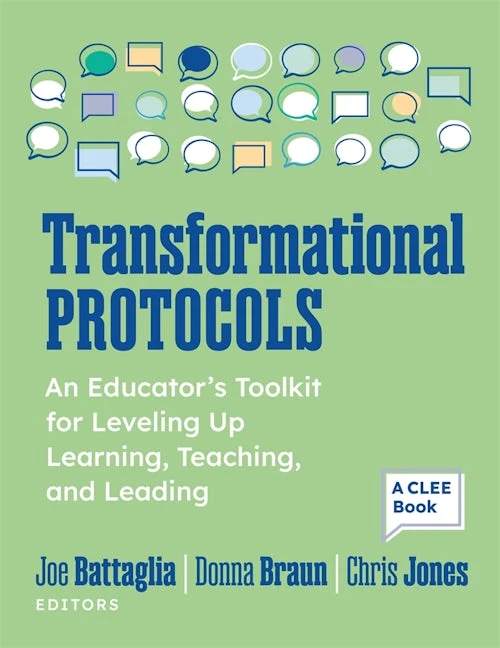
Our new book, Transformational Protocols: An Educator’s Toolkit for Leveling Up Learning, Teaching, and Leading combines new guidance on how to implement these practices, formatting that makes it easy for anyone new to discussions protocols to understand, and is adapted for contexts teams work in today. It brings together more than 75 protocols in one practical resource. Whether you’re leading a team meeting, examining student work, or working through a complex challenge, you’ll find tools to help all educators and stakeholders participate, think more deeply, and move toward action.
Ready to make your next professional learning session, meeting, or family night focused on student learning?
Community Insight Lab: Starting with Curiosity, Not Solutions
What if the first step toward solving a challenge was asking better questions?
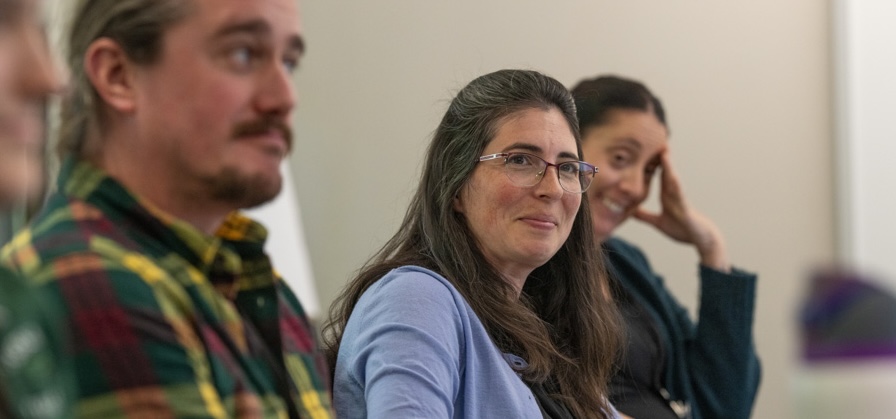
At CLEE’s first Community Insight Lab on October 29, educators, coaches, and nonprofit leaders practiced observing, listening, and questioning their assumptions before jumping to solutions. Participants explored how small changes in the way we approach complex challenges can reveal new insights about teaching and student learning.
Participants reflected:
“I really like that we started with a simple observation. It wasn’t something I had to have already framed as a dilemma or inquiry question – just an observation and curiosity”
“I think a key here is patience, not jumping to conclusions, but being patient with letting the answers emerge.”
These reflections remind us that improvement begins not with solutions, but with asking better questions.
Even if you missed the first session, you can still join us! Over the coming months, participants will practice gathering observations and listening to perspectives in their own settings, with a shared focus on understanding what supports instructional practice and student learning. When we reconvene in January, we will explore emerging patterns and needs and consider what we might learn or test next.
January 14 and March 2, 2027 | 4:00–5:00 PM Eastern | Free and virtual
Fall Meeting: Learning, Listening, and Leading Together
What happens when students and educators learn alongside one another?
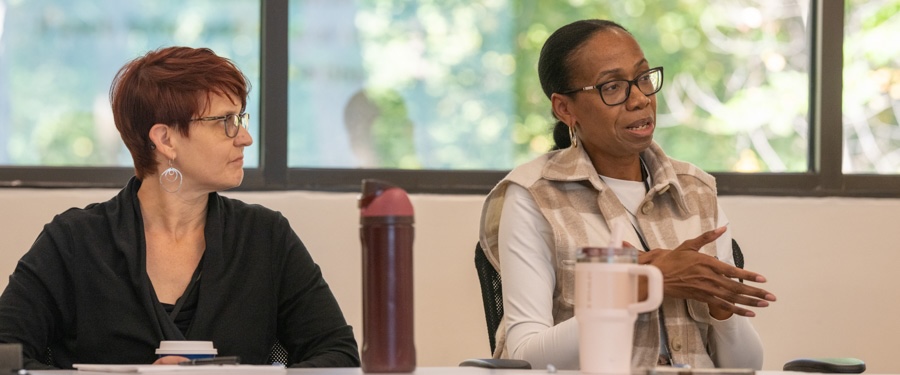
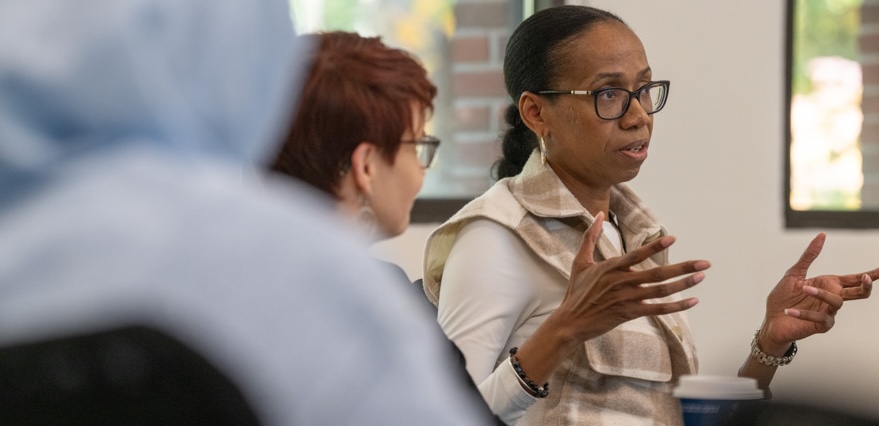
At CLEE’s 2026 Fall Meeting, educators, leaders, and students came together to explore real challenges, examine student work, and discover new ways of learning with and from one another. Across two days, participants stepped outside their usual roles, challenged assumptions, and identified how to bring new ideas back to their schools and communities.
Student voice and leadership were at the heart of the experience. Youth-led sessions challenged educators to rethink how students participate in decisions that affect their learning. Rather than simply sharing their perspectives, students helped shape the conversations, raised important questions, and demonstrated the power of young people working together with educators to create change.
One student captured both the challenge and excitement of stepping into a new role:
“Today I was a protocol facilitator for the first time! This put me in my risk zone as I had never done it before and I’m a student so it was a challenge for sure.”
That spirit of shared learning extended into Homegroups and Learning From Student Work sessions. Participants brought real challenges from their schools, examined evidence of student learning, and received feedback from colleagues with different experiences and perspectives. For some, it was their first time presenting a dilemma, facilitating a protocol, or sharing their practice with people outside their own school community.
For one educator, working with colleagues from different educational settings led to unexpected insights:
“I was so nervous to explain my situation, especially because it’s early childhood and no one else in my group worked in that space. But during and after, I was floored by the quality of feedback and insight my peers provided and I got real world take back solutions to try.”
Throughout Fall Meeting, participants discovered that some of the most valuable learning happens when we step outside our comfort zones, make space for different perspectives, and approach familiar challenges in new ways. They left with practical ideas to try, stronger connections with colleagues, and renewed appreciation for what students contribute when given meaningful opportunities to lead.
The real impact of Fall Meeting will unfold in the weeks and months ahead, as participants bring these experiences into their everyday work: inviting students into decisions, making collaborative time more productive, and trying new approaches to improve teaching and learning.

Thank you to everyone who contributed their curiosity, courage, and commitment to making Fall Meeting a powerful learning experience!
Keep the learning going; Save the Date for Fall Meeting 2027, November 4-5 in Rhode Island.Explore CLEE’s Transformational Protocols book and professional learning opportunities for practical tools to strengthen collaboration in your school or district.

Turn School Challenges Into Practical Improvements
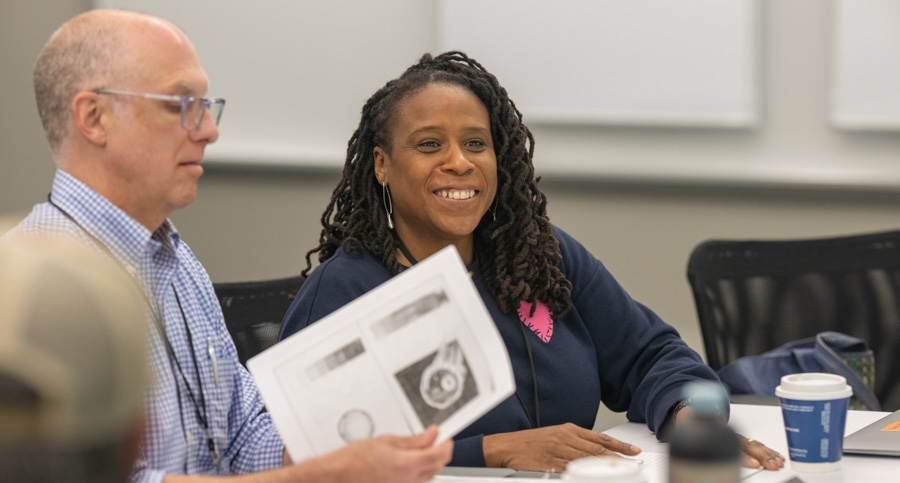
Continuous improvement doesn’t mean fixing everything at once. It means identifying what’s getting in the way of student learning, trying out a change, and finding out whether those changes are working.
CLEE helps educators and school teams put this approach into practice. By examining evidence, listening to students, and testing small changes, teams can make informed decisions about what to improve and build on what works.
Tai M. Basurto, Director of School Leader Development at Chicago Public Schools, recently completed CLEE’s Introduction to Continuous Improvement course and reflected on what it means to lead by example:
Being a learning leader means more than creating opportunities for others to learn. It means positioning myself as a lead learner, someone who remains curious, embraces feedback, reflects on practice, and continually looks for ways to grow and do better.
Whether you’re just getting started or ready to tackle a specific challenge, CLEE offers two ways to strengthen your improvement practices.

Build Your Continuous Improvement Skills
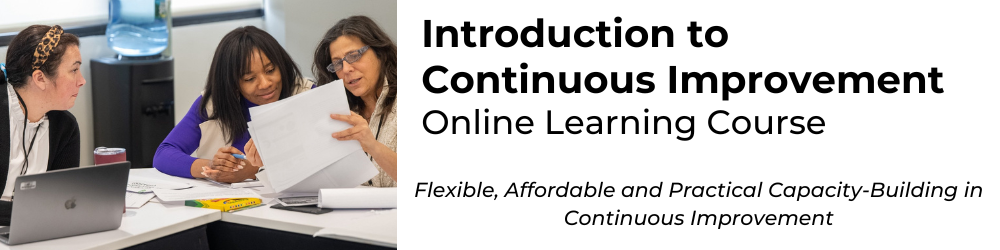
Introduction to Continuous Improvement is an online course for individuals or teams who want to build practical skills in identifying challenges, using evidence, and testing changes to improve results. Seven guided modules combine videos, readings, practical tools, reflection, and feedback from a CLEE facilitator and fellow participant
Get Customized Support for Your Improvement Goals
Continuous Improvement Training provides schools, districts, and educational organizations with customized, facilitated support to address their improvement priorities. CLEE works alongside teams to understand root causes, test solutions, and assess what is working.
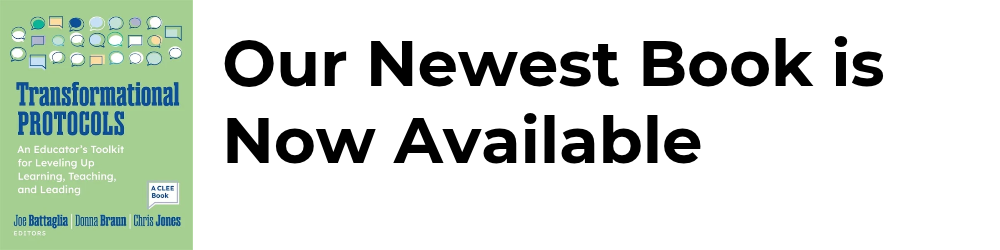
The new CLEE book is now available, and there is still time to pick up a copy of a longtime favorite at a special price.
Order Transformation Protocols
Our new book, Transformation Protocols, is now available. Building on CLEE’s experience with collaborative learning and facilitative leadership, the book offers protocols designed to help educators create meaningful conversations, examine their work and move from reflection to action.
Get the Resource & Protocol Book for $10!
We are clearing inventory to make room for Transformation Protocols, making this a great opportunity to add CLEE’s Resource & Protocol Book to your professional library for one third its normal price.
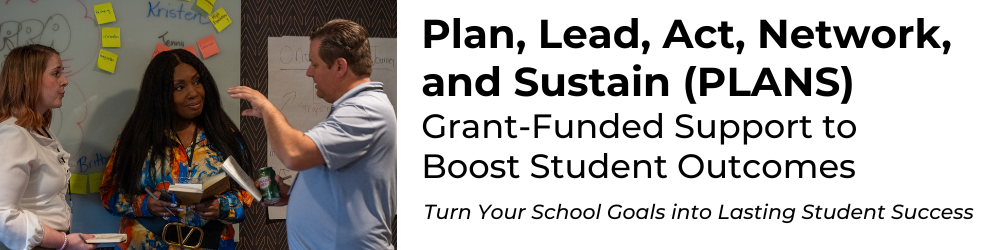
Evidence-based leadership support that’s fully grant funded.
With PLANS, leaders receive individualized coaching and teams engage in collaborative improvement work designed to accelerate measurable results.
Learn how PLANS helps districts retain leaders and impact student outcomes at no cost
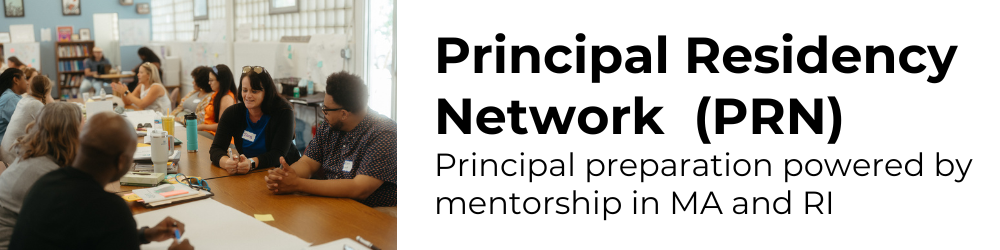
Ready to take the next step in your leadership journey? For over 25 years, CLEE’s Principal Residency Network (PRN) has helped aspiring leaders step into principal roles with confidence. Join an info session to learn how to get certified in MA or RI while gaining real-world experience.
Join an Info Session
- November 4, 2026
- January 12, 2027
- February 3, 2027
- March 1, 2027
Next Cohort Starts This Week – Last Chance to Join
Introduction to Adult Facilitation is a flexible, online learning course designed to build capacity in the frameworks, tools, and mindsets required to lead effective and collaborative adult learning communities.
Through seven course modules, participants learn how structured dialogue and guided inquiry create conditions for reflective practice and shared leadership. Each module offers practical strategies that can be applied immediately in professional learning settings to support instructional improvement and learner success.
CLEE Programs for Leadership Growth
Wherever you are on your education leader pathway, CLEE offers opportunities to build and strengthen your practice. Not sure which one is right for you? Contact Chris Jones, chrisjones@clee.org