

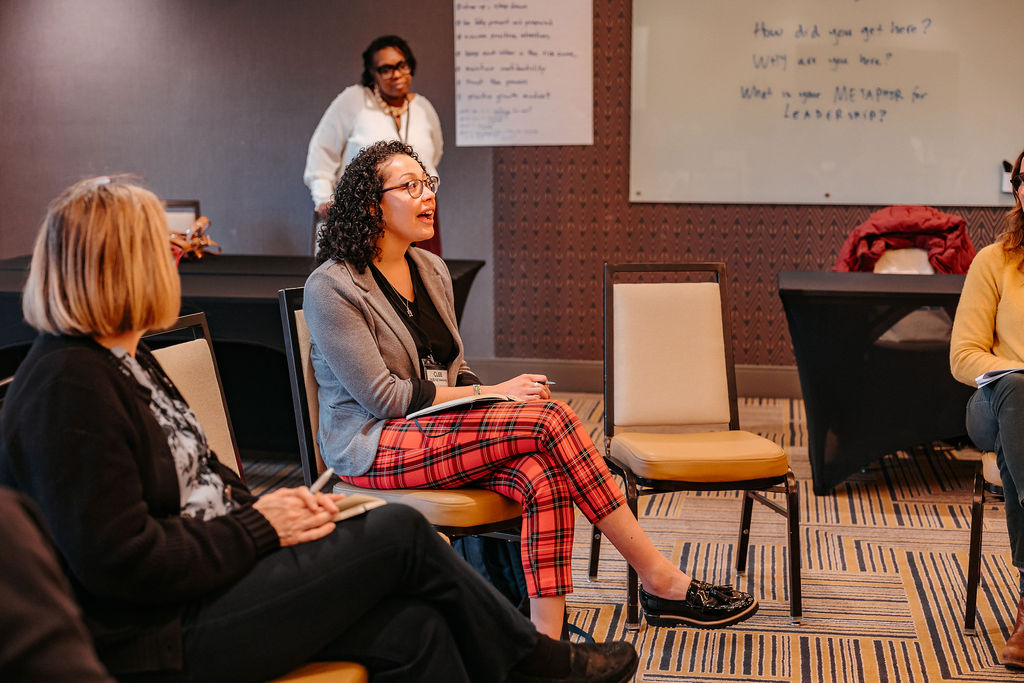
Leading Learning and Measuring Growth

Instructional leadership sits at the core of strong schools. Effective principals ground decisions in evidence, communicate a clear plan and keep student learning at the center. At the same time, they measure success by growth, in students and in adults.
Jeffrey Wright (Jeff) is the current principal of Vartan Gregorian Elementary School in the Providence Public School District. He graduated from PRN in 2022 and was recently featured in NAESP’s Principal magazine (Vol 105, Issue 3, Jan/Feb 2026). We asked him to reflect on how his preparation shaped his approach to instructional leadership and what makes him most proud as a school leader.
Leading Through an Instructional Lens
“PRN challenged me to think about leadership through an instructional lens. It was an area that I wasn’t comfortable with because of my own professional development and experiences. My pathway wasn’t necessarily the most traditional, as I moved towards becoming a principal, so PRN challenged me to focus on core leadership practices and really look at things through a data lens, saying, ‘Okay, let the data do the work.’ It can tell us what is working rather than guessing.”
“Also, there is the qualitative side, how we talk about students. There are stories beyond the numbers. So being able to merge that and then being able to communicate that clearly so that everyone knows what the plan is and that we’re working towards one goal, one specific purpose. That really helped me with being comfortable and being uncomfortable, stepping out of what I was used to, and really leaning into an area where leaders are expected to be. School leaders are expected to be instructional leaders. We have to make sure our teachers and team have what they need, because kids go to school to learn.”
Measuring Leadership by Growth
“What I’m most proud of in leadership so far has been the growth that I see. Being in a position to watch growth happening, in our students and in our adults. Seeing the growth of our teachers and staff has been awesome.”
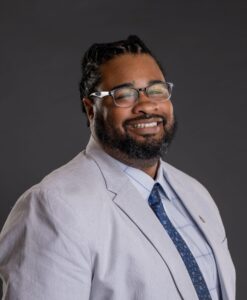
“Being able to see the impact in my daily practice reminds me of the following quote from the late Dr. Martin Luther King, Jr., “Life’s most persistent and urgent question is, ‘What are you doing for others?’”
For Jeff, leadership impact shows up in growth: academic growth and professional growth.
You can read the full interview with Jeff, including his reflections on readiness, mentorship and purpose-driven leadership.

CLEE’s Registered Principal Apprenticeship Program Spotlighted at CEEDAR National Convening
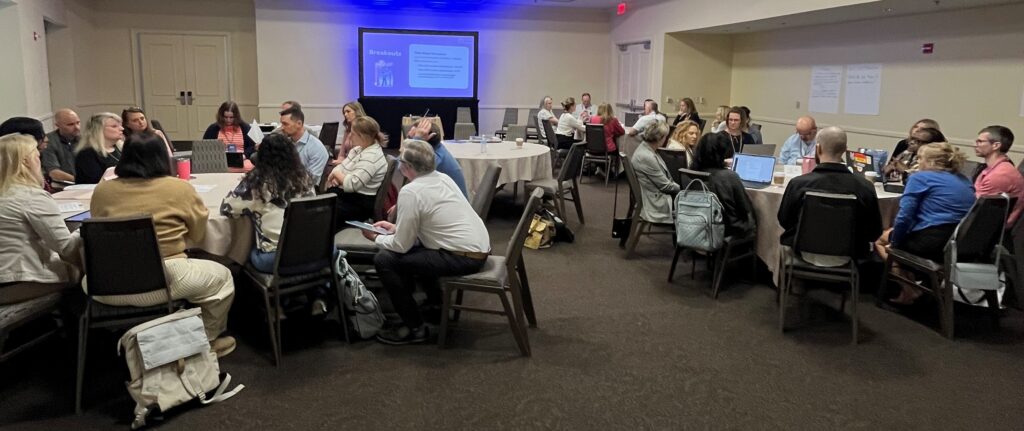
At the CEEDAR National Convening, Joe Pirraglia, Director of Principal Preparation Programs at CLEE, joined leaders from the Rhode Island Department of Education and the North Dakota Department of Public Instruction to examine how registered apprenticeship models strengthen principal preparation.
Joe highlighted Rhode Island’s Registered Apprenticeship Principal Program, developed in partnership with RIDE. The program enables aspiring leaders to complete CLEE’s Principal Residency Network while serving as assistant principals, earning, learning and leading at the same time. This model responds directly to leadership shortages by embedding preparation in authentic school-based roles and aligning competency-based learning to workforce needs.
During the state panel, Joe named the pipeline challenges that led to the launch of the program and described the shift toward more practice-based preparation. He explained how the apprenticeship structure builds leaders’ capacity to support each and every student, particularly students who have experienced historical marginalization, through job-embedded learning, mentorship and clear performance competencies.
The session closed with table discussions where participants explored implementation strategies and next steps for their own contexts. CLEE’s participation underscored Rhode Island’s leadership in advancing high-quality registered principal apprenticeship pathways.
Interested in becoming a certified principal in Massachusetts or Rhode Island?
PRN prepares aspiring leaders through intensive, practice-based learning grounded in real school leadership.

CLEE is Hiring a Director of Finance and Human Resources
We are excited to share that CLEE is hiring a Director of Finance and Human Resources. If you know a detail-oriented, collaborative, systems-minded leader who believes in building organizations that support educators and students, we would love for you to share this opportunity.
Position Summary
The Director of Finance and Human Resources is responsible for overseeing financial, human resource, and key organizational operations. This role supports CLEE’s growth by strengthening systems, leveraging technology, and implementing efficient outsourced solutions. The position is multifaceted with opportunities for growth alongside CLEE’s organizational scaling. The ideal candidate is detail-oriented, collaborative, system-minded, and committed to educational equity.
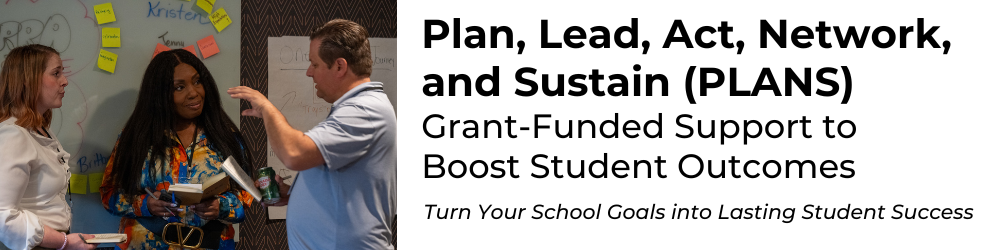
Evidence-based leadership support that’s fully funded.
With PLANS, leaders receive individualized coaching and teams engage in collaborative improvement work designed to accelerate measurable results.
Learn how PLANS helps districts retain leaders and impact outcomes at no cost
Join by March 13 the for best chance to join the next cohort.
Creating Collaborative Leadership is a no-cost virtual workshop series designed for educators who want practical tools to lead strong, student-focused collaboration. Each interactive session builds a skill in facilitating adult learning, navigating complexity and strengthening instructional practice.
Transformative Moments: Using the Critical Incident Protocol
Tuesday, March 12, 2026 | 3–4:30pm (Eastern)
Learn to recognize and leverage critical incidents as opportunities for insight and growth by using a structured protocol that strengthens clarity, curiosity and leadership practice.
Sneak Peek: Taking Your Facilitation Online
May 7, 2026 | 4–5pm (Eastern)
Examine assumptions about virtual facilitation and practice targeted moves that increase engagement and rigor in online learning spaces.
Analyzing Student Work to Strengthen the Instructional Core
September 24, 2026 | 12–1:30pm (Eastern)
Engage in structured dialogue around student work to sharpen instructional decision-making and align adult practice to student learning needs.
Giving and Receiving Feedback in a Learning Community
October 22, 2026 | 4–5:30pm (Eastern)
Develop concrete strategies to give focused feedback and receive it with purpose in ways that build trust, clarity and collective responsibility.
Facilitating meaningful learning online is different from in-person work. It demands intentional design, skillful use of technology, and new ways of building connection and trust. This four-session series offers educators, coaches, and facilitators the opportunity to deepen their practice and confidence in leading virtual learning communities. Julie Moore and Natalie Berger, authors of Facilitating Virtual Learning Communities: Using Protocols to Improve Educator Practice, guide the workshop series and share expertise from their book.

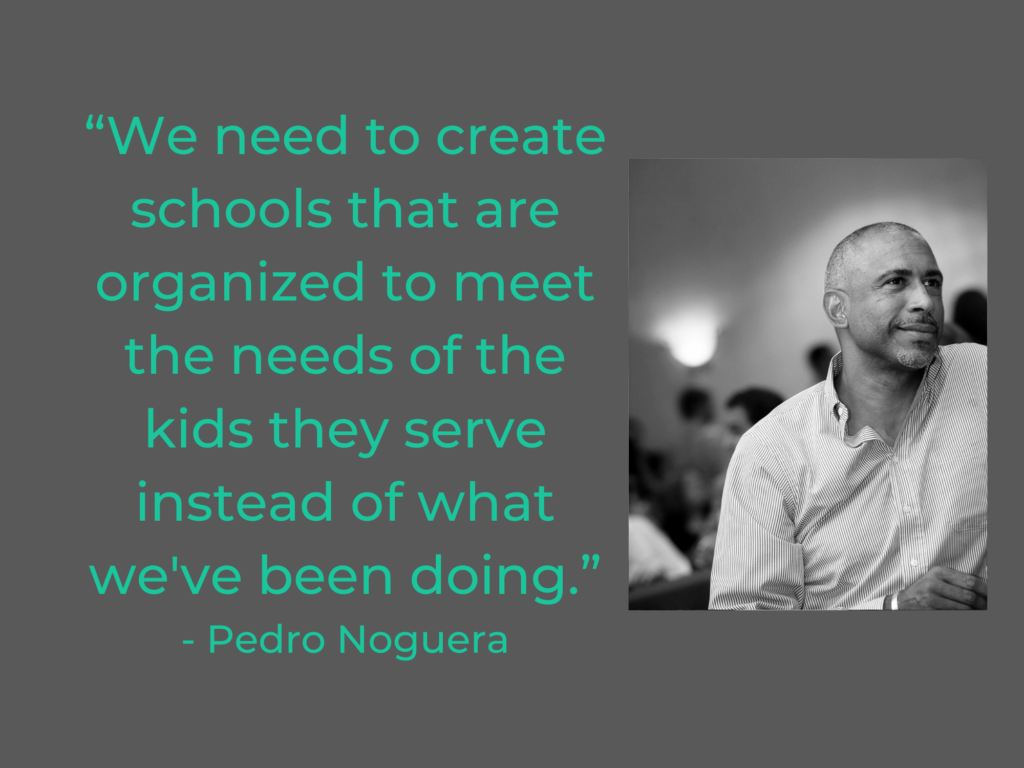

Each month, CLEE offers a question or two to help you reflect on what you are experiencing. Thinking about the importance of questioning and what your answers mean is one more step in your growth as a leader.
Join CLEE on social media to follow the monthly questions and share your answers.