
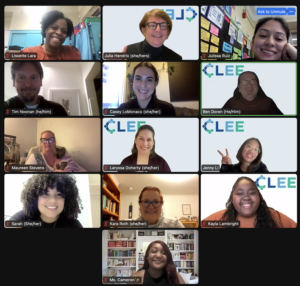
All of us have the ability to lead adult collaboration to improve student outcomes, regardless of our role or position. Facilitator Training builds your capacity to lead with purpose and to strengthen collaboration among colleagues. You will sharpen facilitation skills and practice using collaborative tools to share leadership, expand perspectives and generate improvements centered on student impact.
You may recognize this as professional development for Reflective Learning Communities, Teacher Leader Training, Critical Friendship, Facilitative Leadership or PLC Coach/Facilitator Training.
You Will Build Capacity to:
- Facilitate feedback rounds using protocols
- Create conditions that elevate participant voice, improve student learning outcomes, and strengthen systems and structures
- Select and use a variety of learning protocols
Who Is This For?
Facilitator Training is for educators, educational leaders, and those who support educators who want to build their capacity to lead and collaborate with adults to impact student outcomes.
Training Outcome
Strengthen individual and team capacity to facilitate adult learning communities to impact student outcomes.
Essential Question
How does a strong adult learning community contribute to high outcomes for each student?
Session Overviews
- Session 1: Who am I as a facilitative leader of adult learning?
- Session 2: Intro to Foundations of Facilitative Leadership
- Session 3: Pre-Conferencing and Asking Critical Questions
- Session 4: Using Protocols to Conference and Understanding Our Impact
- Session 5: Planning for Collaboration and Feedback Rounds
- Session 6: Starting Feedback Rounds
- Session 7: Feedback Rounds, continued
- Session 8: Final Feedback Rounds and Course Reflection
Dates
Spring Cohort
2/2, 2/25, 3/4, 3/25, 4/6, 4/29, 5/13, 5/27, 2027
All Sessions are 1-4pm (Eastern)
Cost
$1200