In this Issue
Growth accelerates when our learning connects directly to our practice. This month’s Spotlight explores how shared experiences transform coaching by grounding reflection in real work, expanding perspectives and strengthening next steps. In our Program Highlight, a leader shares how she used a CLEE-specific professional learning pathway to deepen her hands-on learning over time. Finally, check out all the ways you can put your learning into action with us through the CLEE Fall Meeting 2026, free virtual workshops, grant programs and so much more! Lastly, join Rhode Island’s statewide fundraiser, 401Gives, to support our aspiring principal scholarship fund!
Learning in Action
- Spotlight: Beyond the Coaching Conversation: Why Shared Experience Matters
- Program Highlight: CLEE Professional Learning Pathways for Growth, Collaboration and Impact
- Save the Date – Fall Meeting October 8-9, 2026, Massachusetts
Reminders
- 401 Gives Ends Today!
- Principal Residency Network Extended Deadline May 1
- Next Virtual Workshop May 7
- Introduction to Adult Facilitation Course – Next Cohort begins May 4
- PLANS Paid Professional Learning – Openings in Next Cohort

Each month, CLEE offers a question or two to help you reflect on your growth. Join CLEE on social media to share your answer.
Where can you build more connections between your work for students and your professional learning?

Beyond the Coaching Conversation: Why Shared Experiences Deepen Learning
Coaching often plays a central role in how leaders grow. It creates space for reflection, surfaces challenges, and helps leaders identify next steps. In many cases, coaching begins from a single vantage point. One person, the coachee, brings the story, the context, and the interpretation of events. The conversation builds from there.
Always starting from that single vantage point can limit the lens of a coaching conversation.
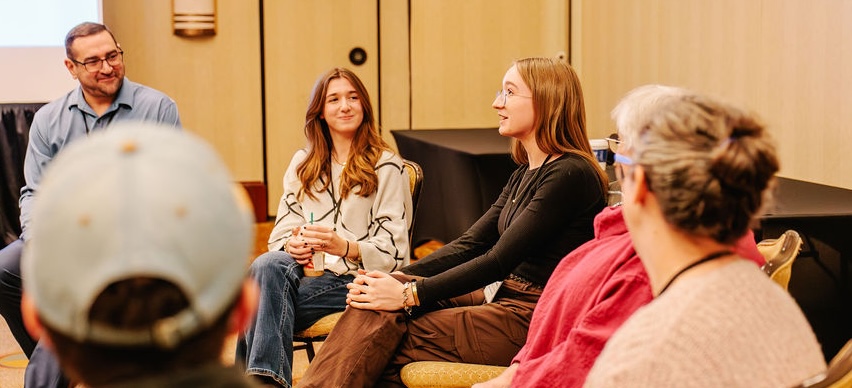
When leaders and coaches engage in shared experiences, like co-facilitating, observations of coachees, and/or learning walks, the perspective shifts. Instead of relying only on one person’s description, both bring direct experience into the conversation. They have seen the same moments, heard the same perspectives, and navigated the same challenges in real time. This shared reference point expands what becomes possible in coaching.
Coaching conversations that don’t rely on a retelling have an opportunity to examine what each person noticed, what may have been missed, and where perspectives diverge. That shift strengthens both reflection and analysis. It also creates the conditions for more precise coaching questions and more grounded next steps.
This approach strengthens leaders’ individual growth and their ability to lead others. When coaching connects directly to shared experiences, leaders more readily translate insights into action with their teams. They build stronger habits of reflection, invite broader perspectives, and develop the capacity of others in more intentional ways.
This shift has implications beyond individual coaching sessions. It points to a broader design principle for leadership development. Programs that create structured opportunities for shared work, where leaders, coaches, and stakeholders engage together, can extend the impact of coaching across a system. These experiences ground conversations in real practice and connect individual growth to collective progress.
Reach out to partner with CLEE to design leadership coaching that connects directly to your practice, builds the capacity of leaders, and strengthens outcomes for students.

CLEE Professional Learning Pathways for Growth, Collaboration and Impact
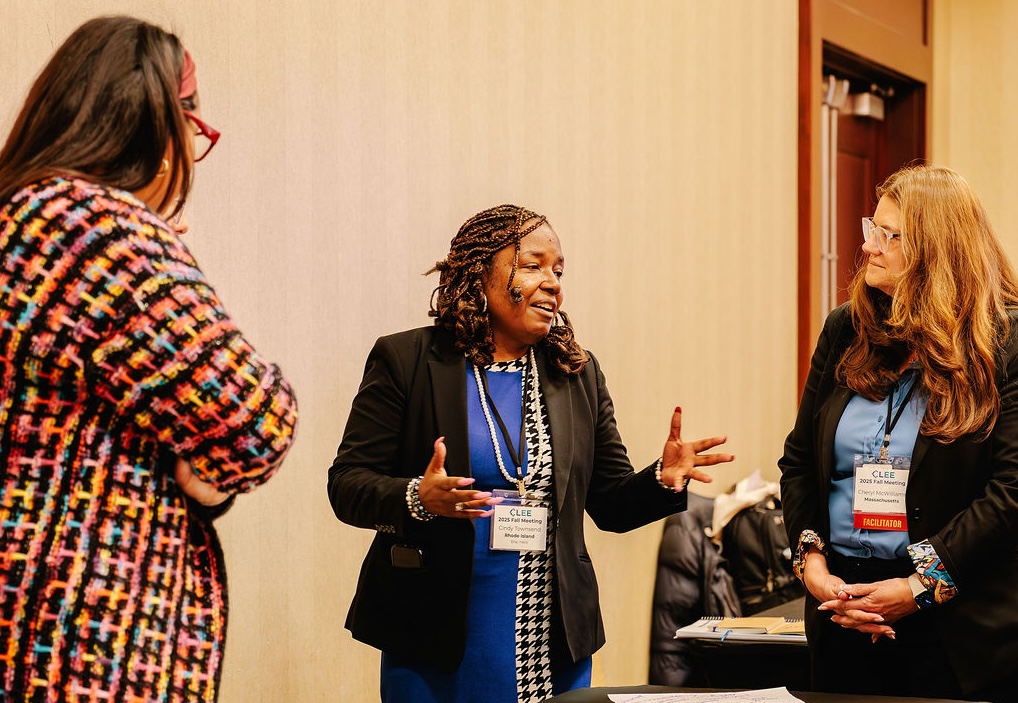
Learning pathways are more than a structure. They are a way to design professional learning to honor how adults grow. This approach creates intentional entry points that allow educators to engage where they are and provides clear, supported paths toward deeper expertise.
Coherence makes this approach transformative. Rather than experiencing professional development as isolated events, participants move through a connected system of learning. I experienced the power of such pathways at CLEE. My own journey began with free virtual workshops, then deepened my thinking in asynchronous courses, built connections at the Fall Meeting, and extended the impact of my learning through Facilitator Training. Each layer built on the next, creating a scaffolded experience where learning was revisited, refined and applied over time.
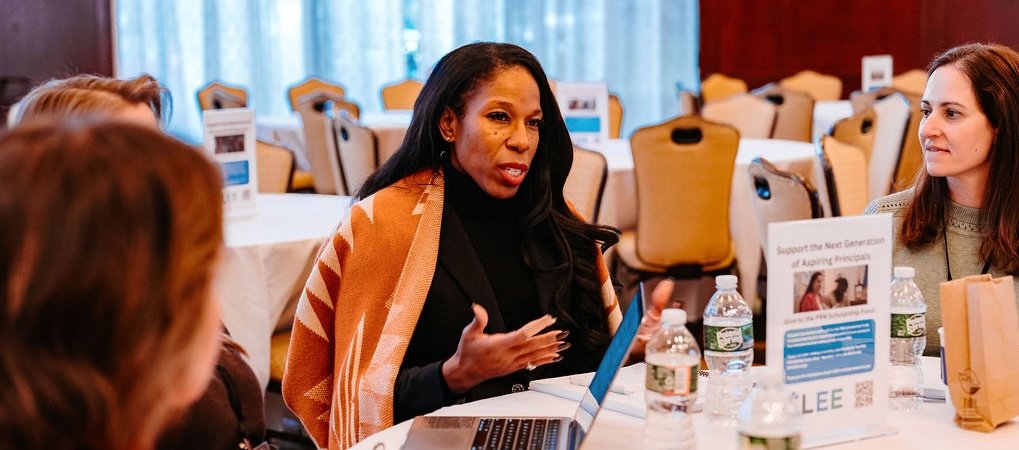
CLEE’s Fall Meeting brought this vision to life for me. Participants were not expected to arrive as experts. Instead, they were invited to explore, reflect and grow within a supportive and collaborative environment. The flexibility of multiple entry points ensured that both new and experienced practitioners could engage meaningfully, while feedback and practice turned theory into actionable skill.
After Fall Meeting, I took the opportunity to go deeper in Facilitator Training. This experience builds on earlier learning by focusing on how to guide adult collaboration with purpose and skill. We practice using protocols, facilitating feedback and creating conditions that elevate voice and strengthen collective thinking. We focus on application and refine our practice as we step into the role of facilitative leader.
Crucially, we are not doing this work alone. I have worked alongside brilliant colleagues at Fall Meeting and Facilitator Training who have joined me in dialogue, collaboration and shared problem-solving. Together, we strengthen our individual capacity and collective impact.

The result is not just learning, it is agency. Educators take ownership of their development, test and refine their practice and lead for students. Facilitator Training, in particular, extends this impact by preparing participants to lead others and multiply the reach of high-quality professional learning throughout their organizations.
What begins as participation evolves into leadership.
Supported learning pathways transform professional development into a coherent, evolving system where educators can enter at any point, deepen their practice over time and engage in a continuous cycle of application, feedback and impact.
Find your pathway in an upcoming workshop or training.

Save the Date – Fall Meeting October 8-9, 2026, Massachusetts
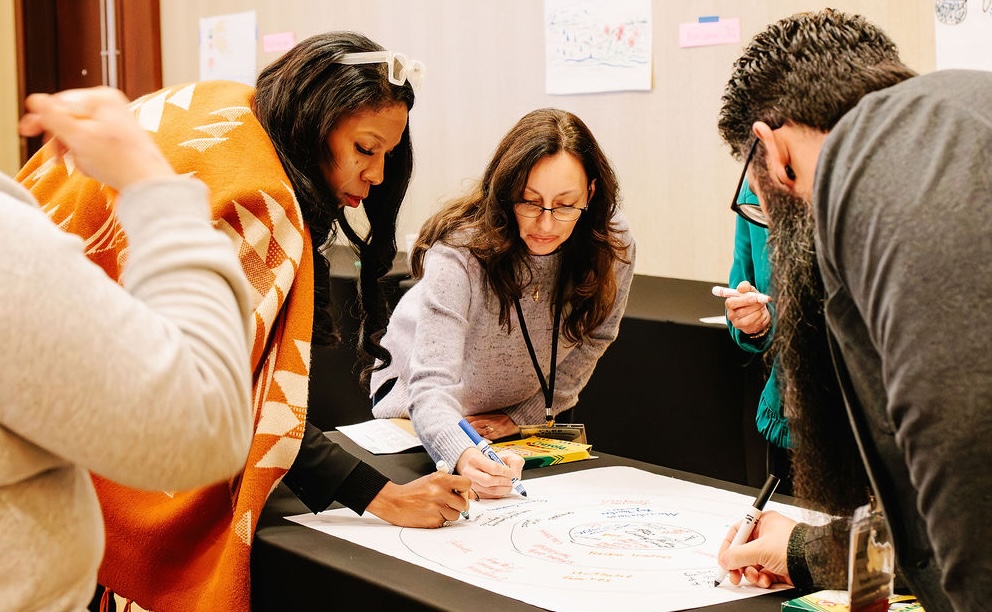
Join educators from across the country for CLEE Fall Meeting in Norwood, Massachusetts on October 8-9, 2026. Together we will explore what student-focused leadership looks like today and how leaders create conditions that strengthen student engagement in learning.
During our two days together, we will:
- Use facilitative leadership tools to strengthen adult practices for student success
- Share and build expertise on adult learning and collaboration
- Build connections with a national community of educators
Through hands-on practice, deep reflection and meaningful dialogue, participants will examine the conditions that shape student learning and consider how leaders ensure that every student feels valued in their school community.
Participants will leave with renewed connections, shared practices that support student engagement and insights that help bridge the gap between current reality and future vision.
More details, volunteer opportunities and registration coming soon
401 Gives Ends Today!
401 Gives, Rhode Island’s day of giving, ends today! Your gifts will grow the next generation of transformative school principals through our scholarship fund for the Principal Residency Network (PRN), CLEE’s residency-based building administrator certification program. Our hands-on program prepares aspiring school leaders to achieve high learning outcomes for students.
As a non-profit, CLEE relies on generous donors like you to amplify our work. Help us support educators who lead the immense task of transforming public schools into places of joyful, purposeful learning for each and every student.
Ready to take the next step in your leadership journey? For over 25 years, CLEE’s Principal Residency Network (PRN) has helped aspiring leaders step into principal roles with confidence. Join an info session to learn how to get certified in RI or MA while gaining real-world experience.
Extended Deadline May 1, 2026
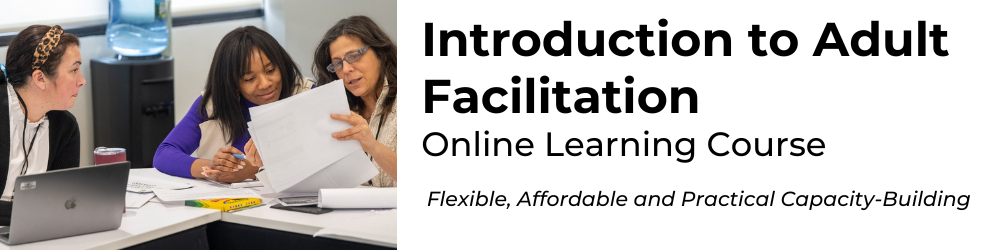
Introduction to Adult Facilitation is a flexible, online learning course designed to build capacity in the frameworks, tools, and mindsets required to lead effective and collaborative adult learning communities.
Through seven course modules, participants learn how structured dialogue and guided inquiry create conditions for reflective practice and shared leadership. Each module offers practical strategies that can be applied immediately in professional learning settings to support instructional improvement and learner success.
Next Cohort begins May 4, 2026
CLEE delivers high quality professional learning for education in all states and internationally. CLEE is an approved Professional Development Provider in Massachusetts, Rhode Island, and New York City
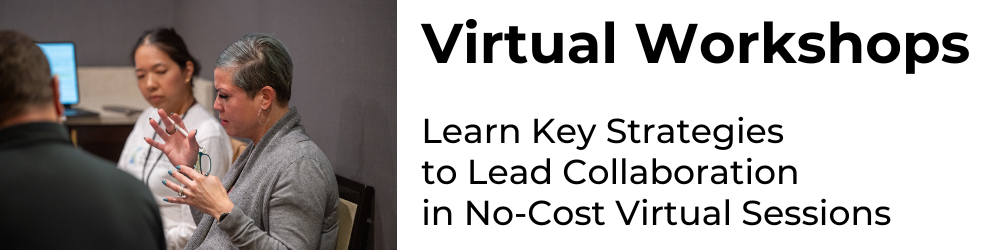
Creating Collaborative Leadership is a free virtual workshop series designed for educators who want practical tools to lead strong, student-focused collaboration. Each interactive session builds a skill in facilitating adult learning, navigating complexity and strengthening instructional practice.
Sneak Peek: Taking Your Facilitation Online
May 7, 2026 | 4–5pm (Eastern)
Examine assumptions about virtual facilitation and practice targeted moves that increase engagement and rigor in online learning spaces.
Analyzing Student Work to Strengthen the Instructional Core
September 24, 2026 | 12–1:30pm (Eastern)
Engage in structured dialogue around student work to sharpen instructional decision-making and align adult practice to student learning needs.
Giving and Receiving Feedback in a Learning Community
October 22, 2026 | 4–5:30pm (Eastern)
Develop concrete strategies to give focused feedback and receive it with purpose in ways that build trust, clarity and collective responsibility.
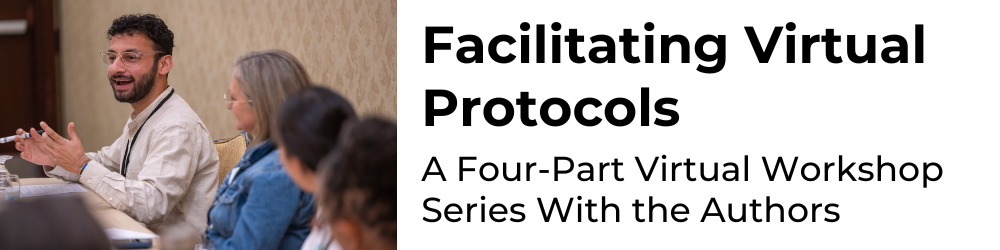
Facilitating meaningful learning online is different from in-person work. It demands intentional design, skillful use of technology, and new ways of building connection and trust. This four-session series offers educators, coaches, and facilitators the opportunity to deepen their practice and confidence in leading virtual learning communities. Julie Moore and Natalie Berger, authors of Facilitating Virtual Learning Communities: Using Protocols to Improve Educator Practice, guide the workshop series and share expertise from their book.
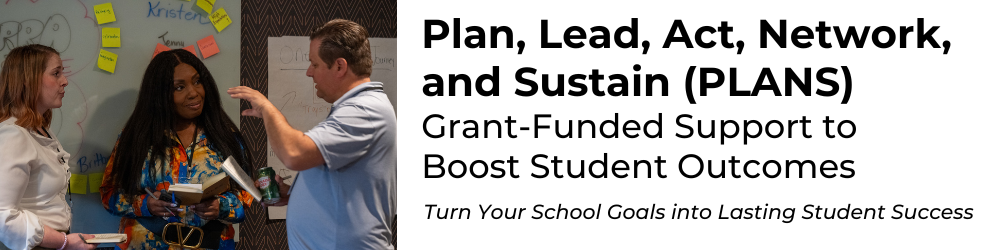
Evidence-based leadership support that’s fully funded through a grant.
With PLANS, leaders receive individualized coaching and teams engage in collaborative improvement work designed to accelerate measurable results.
Learn how PLANS helps districts retain leaders and impact outcomes at no cost