

5 Practices for Making Stakeholder Voices Matter
In schools and learning communities, “voice” is often invited, but not always meaningfully integrated. At CLEE, we believe that making the voices of students, families, and educators matter is not about collecting opinions; it is about creating the conditions where diverse perspectives actively shape understanding, decisions, and next steps. The following five practices reflect how CLEE supports leaders and educators to move from surface-level participation to authentic collective sense-making.
1. Design for Voice, Not Just Presence
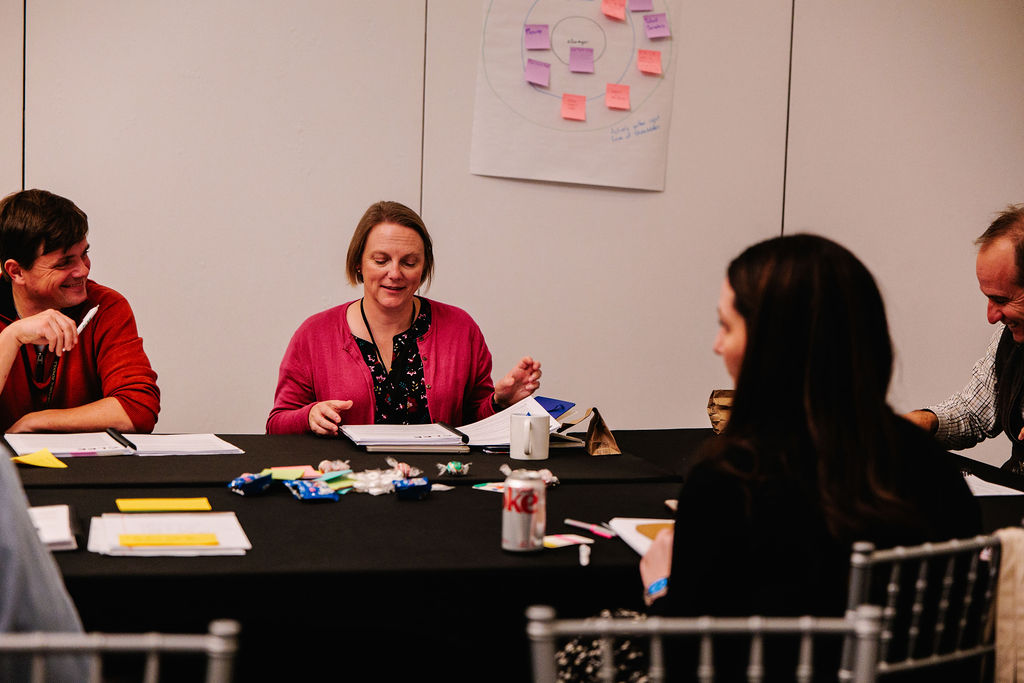
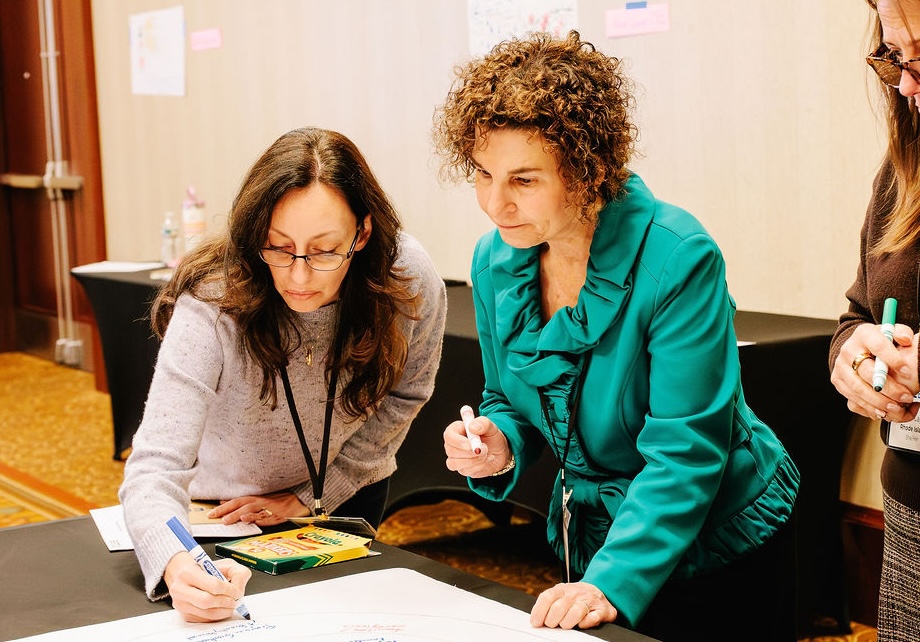
Stakeholder voice does not emerge by chance. It must be intentionally designed for. This means using structures that slow thinking, surface multiple perspectives, and create equitable access to participation. Protocols, purposeful prompts, and intentional sequencing help ensure that all participants, especially those who may be hesitant, have meaningful opportunities to contribute. Designing for voice shifts the focus from “who speaks most” to “what thinking is surfaced.”
2. Build Shared Understanding Before Seeking Agreement
Too often, teams rush to solutions before fully understanding the current reality. Making voices matter requires prioritizing shared understanding over consensus. We have found the best ways to do this are practices that allow participants to examine data, experiences, and assumptions together before moving to action. When individuals feel their perspectives have been heard and understood, teams are better positioned to hold productive tension and make more thoughtful decisions.
3. Normalize Productive Discomfort and Vulnerability
Authentic voice involves vulnerability. Leaders and facilitators play a critical role in recognizing that discomfort is part of meaningful learning and change. It is key to normalize risk-taking, acknowledge power dynamics, and create agreements that support each person sharing their own truth, even when it is difficult. Safety does not mean avoiding tension; it means ensuring that divergent perspectives are met with curiosity rather than defensiveness.
4. Use Data as a Mirror, Not a Cudgel
Data can amplify voice or silence it. We encourage data to be used as a mirror to reflect and observe patterns, experiences, and outcomes, particularly student experiences, rather than as a tool for judgment. When data is paired with structured dialogue it invites participants’ to connect quantitative trends with lived experiences. This integration allows voices to contextualize the data and ensures that decisions are informed by both evidence and human impact.
5. Translate Voice into Visible Action
Voice matters most when it leads to action. Leaders must close the loop by making explicit how input informs next steps. When participants see their contributions reflected in decisions, priorities, and follow-through, trust deepens and engagement grows.
Making voices matter is ultimately about both facilitative practices and leadership. It requires intentional design, humility, and a willingness to listen deeply. When leaders commit to these practices, they create learning communities where voice is not only heard, but valued, integrated, and acted upon. Engaging stakeholder voice becomes an ongoing practice embedded in the culture and not a one-off event.
Leverage Stakeholder Voice for School Improvement with PLANS
PLANS is a grant-funded opportunity for schools and districts in Connecticut, Massachusetts, and Rhode Island to enact student-focused improvements with support. The program helps leaders leverage stakeholder voice to build shared understanding and widespread commitment to implement school improvement goals and strategies.
I had a great experience at the session. I originally went into it not knowing at all what to expect. When it was explained what we were doing and why, I understood how much of an impact this could potentially have. Putting students, teachers, administrators and parents in one room, reviewing statistics and brainstorming potential solutions. It not only allows us to hear each other’s perspectives without interfering with lessons or coming from a place of controversy, it allows us to see that for the most part, we all have the same values and ideas at heart.
-Parent in current PLANS cohort

From Communicating to Collaborating With Families
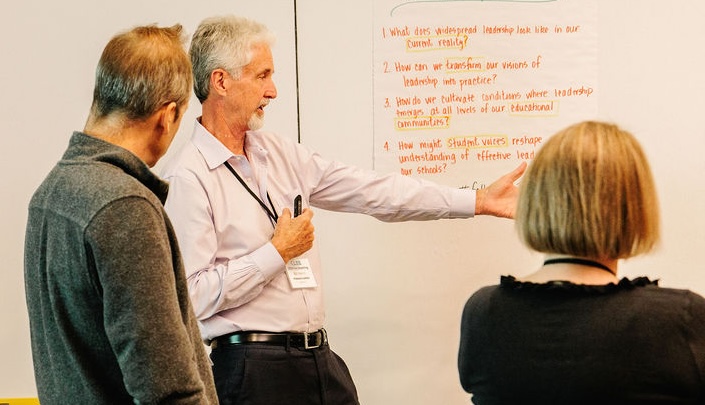
Many teachers and school leaders are working to move from communicating with families to collaborating with them, while still honoring staff voice and supporting school improvement. That tension surfaced in a recent coaching conversation with Laurie Marchland, principal at Edward R. Martin Middle School.
Laurie named the challenge of making the work school wide without losing authenticity. “If I try to make it school-wide, I worry it will be directive rather than genuine. I do not want it to feel like one more initiative. We connect with students often, but we want educators to collaborate with parents without it being ‘the principal said I have to do this.’ I want educators to want to do it.”
Rather than rushing to solutions, Laurie reflected on the value of slowing down. “If I did not have the knowledge base from our current systems and the PLANS structure, I might not have been prompted to invite the people we brought to the table. Those systems helped encourage parents and families to lean into this work.”
Small shifts can make this possible. For example, at the beginning of the year, the eighth grade team sends families a document framed as an interview. “It says, ‘I will be with your child the entire school year. Work with me to understand their strengths and needs.’ Who knows a kid better than their parent?” Laurie shared.
“This information becomes a way to bridge the gap when collaborating with parents,” Laurie explained. The same document supports high school scheduling conversations and transition IEP meetings for students turning 14, helping educators collaborate with both parents and students.
Laurie returned to a shared purpose. “We are not just here to teach content. We are here to teach kids how to be good human beings, and we need to collaborate with parents to get there.”

CLEE’s Continuous Improvement services support schools in leveraging collaboration with families, staff and community partners to strengthen systems and improve outcomes. Learn how these services can support your work.

Jeffrey Wright, PRN Alum, Featured in Principal Magazine
Jeffrey Wright (Jeff) is the current principal of Vartarn Gregorian Elementary in the Providence Public School District. He graduated from CLEE’s Principal Residency Network (PRN) in 2022 and was recently featured in NAESP’s Principal magazine (Vol 105, Issue 3, Jan/Feb 2026, pages 34-35).
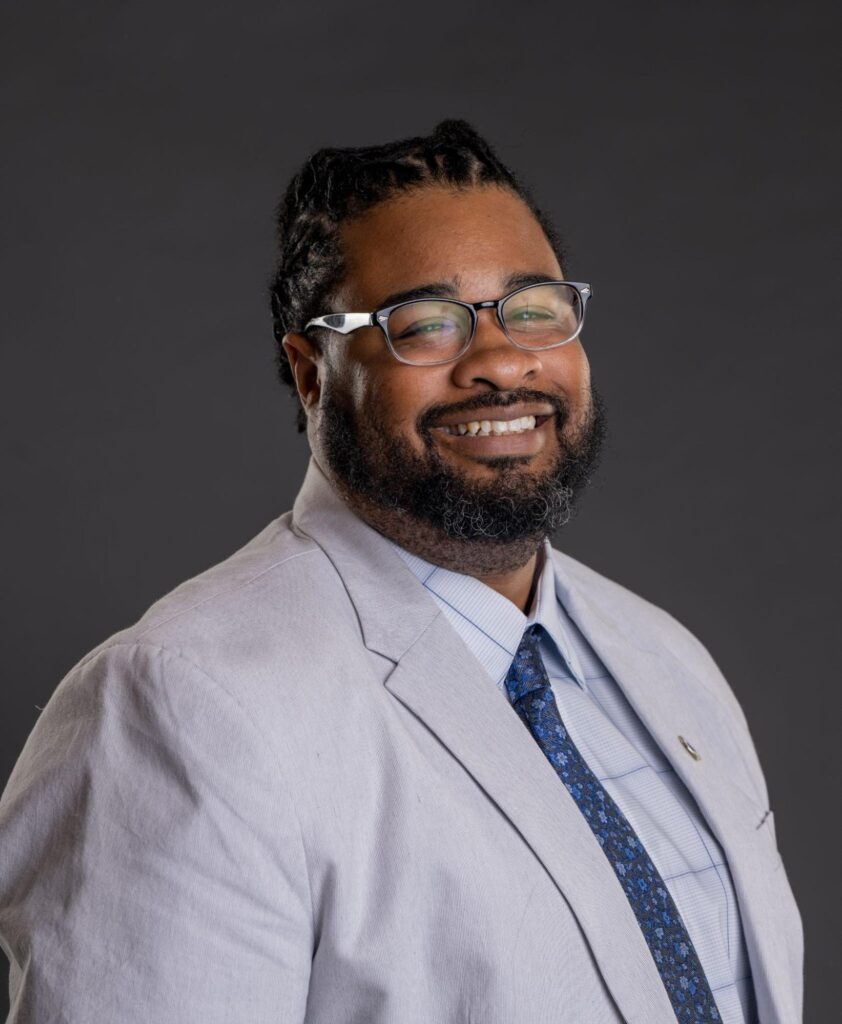
“PRN challenged me to step into the uncomfortable, to be prepared for anything, and to grow as a leader. The experience was invaluable—it helped me develop the skills and confidence to lead every day, with my teachers, staff, and students at the center.” – Jeffrey Wright
CLEE Welcomes Three new Board Members!

Deanna’s professional interests include strategic planning, leadership development, and environmental and social justice education. Deanna (Dee) started her career in 1984 as a science teacher and has since founded and led three schools with an environmental and social justice focus. Dee has a M.Ed. in Secondary Science, a BS in Geoscience and an administrator certificate through the Principal’s Residency Network. She currently lives on a mini-farm in North Carolina where she enjoys caring for her animals, hiking and spending time with her family.
Melissa Lourenco is a Co-Founder and Superintendent for the Segue Institute for Learning, an independent public charter school in Central Falls, Rhode Island. She has also worked as a classroom teacher of high school English and social studies, reading specialist, teacher of English to speakers of other languages, and school principal. Melissa holds a Doctorate in Educational Leadership from the University of New England, a Master’s in Literacy Curriculum and Instruction from Lesley University, and a B.A. in Secondary Education from Rhode Island College. Melissa is a 2014 graduate of the Principal Residency Network. Melissa grew up in Central Falls and is honored to continue to serve its students, their families, and the community. She currently resides in East Providence with her husband, Marco, and their two daughters.

Dr. Barbara Mullen has been superintendent of the Rush-Henrietta Central School District in suburban Rochester, New York, since April 2023. Before joining Rush-Henrietta, she served as the Assistant Superintendent of the Office of Student Services for Cambridge Public Schools in Cambridge, Massachusetts and the Chief of Equity, Culture, and Student Support in Providence Public Schools, Rhode Island. In December 2023, Dr. Mullen was awarded the Leaders of Distinction Award by District Administration Leadership Institute, the premier national membership organization for school district leaders. Most recently, the organization named her one of the Top 100 Education Influencers for 2025.
Interested in Facilitating Adult Learning with CLEE?
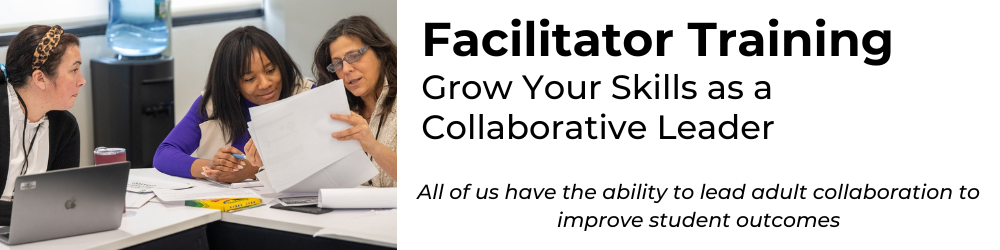
Starts Next Week!
Facilitator Training improves your leadership skills and is also the first step in becoming a CLEE Part-Time Facilitator, providing opportunities for paid facilitation. This experience builds your capacity to lead purposeful collaboration, strengthen adult learning and support improved outcomes for students. You will practice facilitation in real time and receive feedback you can apply immediately in your current role.
Through Facilitator Training, you will:
- Begin a supported pathway toward CLEE facilitator certification and future paid facilitation opportunities
- Build core facilitation skills using proven collaborative tools and protocols
- Learn to design and lead conversations that elevate participant voice and shared responsibility
- Practice facilitating feedback rounds and reflective dialogue
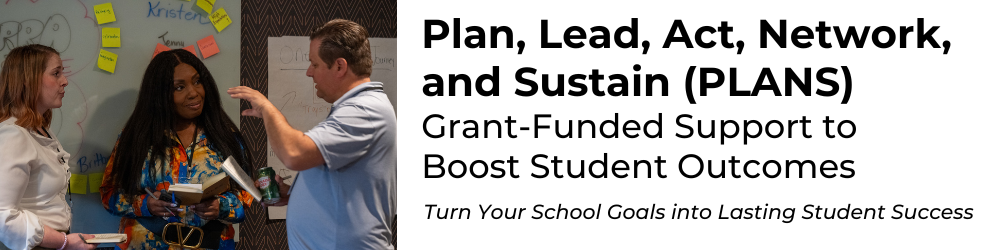
Evidence-based leadership support that’s fully funded.
With PLANS, leaders receive individualized coaching and teams engage in collaborative improvement work designed to accelerate measurable results.
Learn how PLANS helps districts retain leaders and impact outcomes at no cost
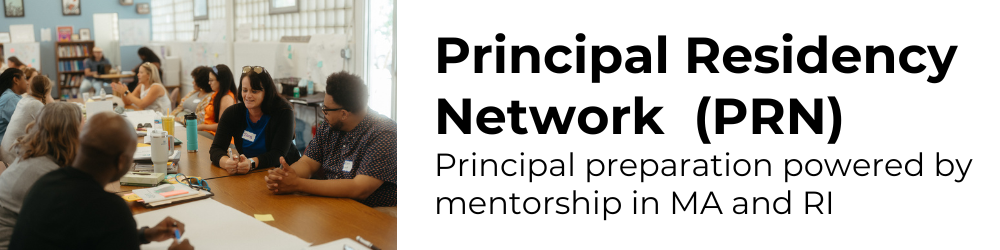
Ready to take the next step in your leadership journey? For over 25 years, CLEE’s Principal Residency Network (PRN) has helped aspiring leaders step into principal roles with confidence. Join an info session to learn how to get certified in RI or MA while gaining real-world experience.
Virtual Info Session March 2, 2026
4:30 – 5:30 pm

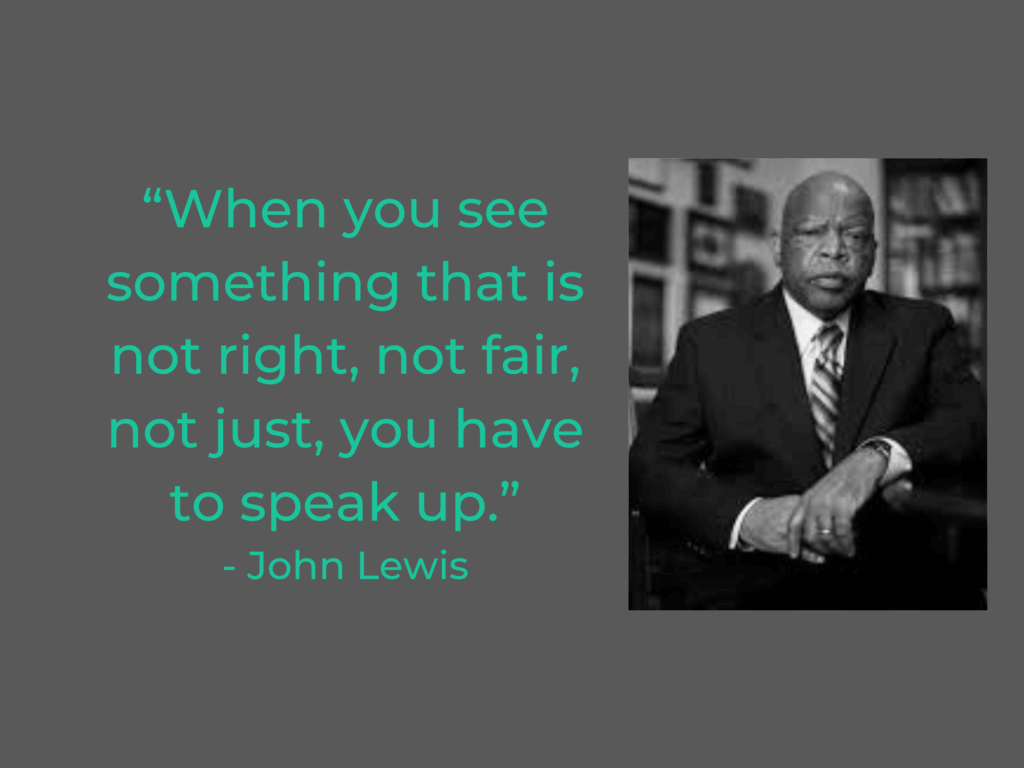

Each month, CLEE offers a question or two to help you reflect on what you are experiencing. Thinking about the importance of questioning and what your answers mean is one more step in your growth as a leader.
Join CLEE on social media to follow the monthly questions and share your answers.